Best POS Systems in Zimbabwe 2026: The Complete Buyer's Guide
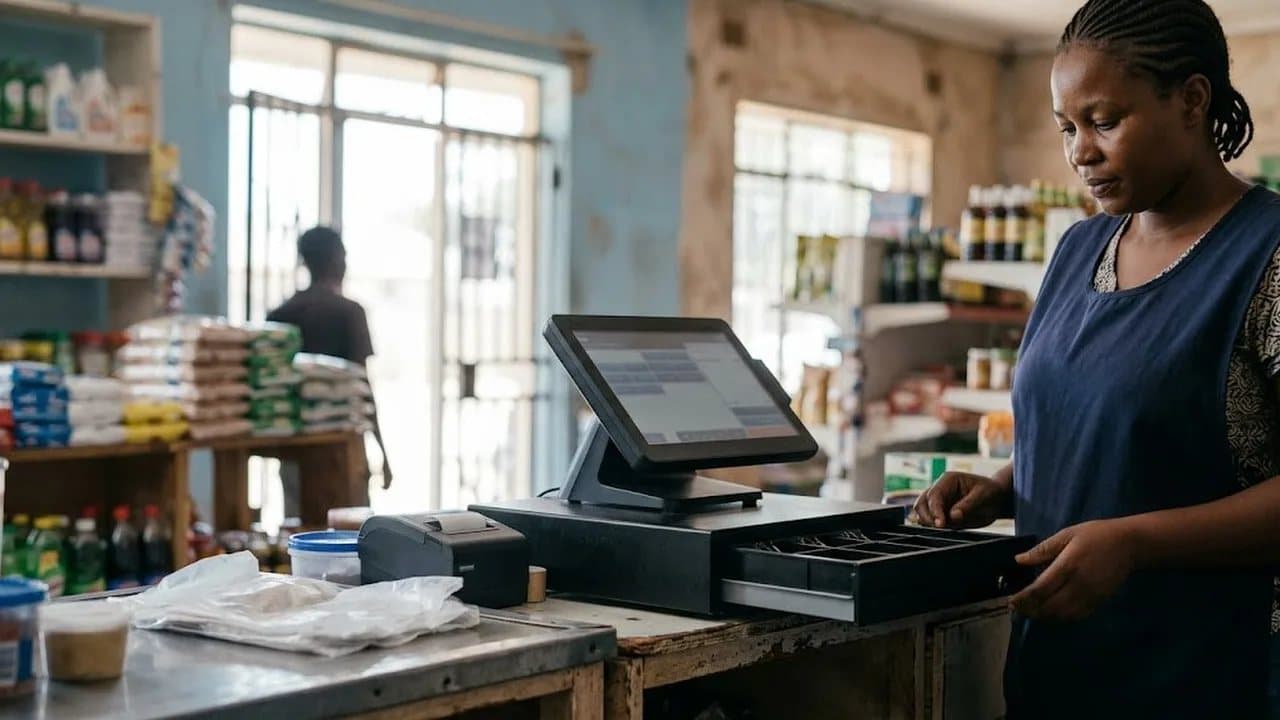
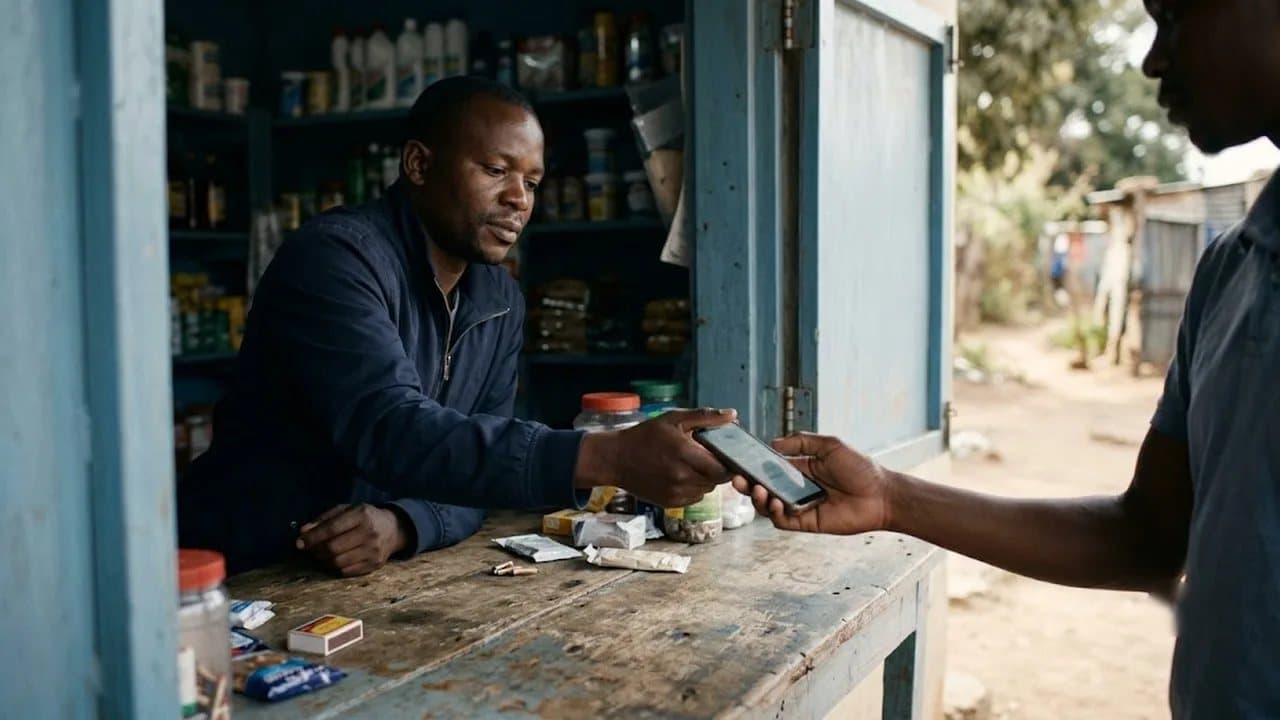
Running a shop in Zimbabwe in 2026 means juggling two currencies, keeping ZIMRA happy, and serving customers who might pay in USD cash, ZiG, EcoCash or card — sometimes all in the same hour. A good point-of-sale system should make that easier, not harder. The wrong one will leave you fighting with fiscalisation errors at month-end and reconciling exchange rates on paper.
The problem? Most "best POS" lists you'll find online are written for foreign markets. They recommend software that has never heard of ZiG, doesn't integrate with ZIMRA's Fiscal Device Management System (FDMS), and bills you in ways that make no sense for a Harare or Bulawayo retailer.
This guide is different. We compare the POS systems actually used by Zimbabwean businesses in 2026, what they cost, and what to check before you commit — starting with the two things that matter most locally: ZIMRA compliance and multi-currency handling.
What Makes a POS System Right for Zimbabwe?
Before comparing products, get clear on the non-negotiables for a Zimbabwean business:
1. ZIMRA fiscalisation (FDMS integration). If your annual turnover exceeds USD $25,000, you must be VAT-registered and fiscalised. In 2026, virtual fiscalisation — where your POS software talks directly to ZIMRA's servers through the FDMS API — has largely replaced expensive physical fiscal devices. Your POS should submit receipts to ZIMRA automatically, in real time, without you thinking about it. If a vendor can't clearly explain their FDMS integration, walk away.
2. True multi-currency support. Zimbabwe trades in USD and ZiG side by side. Your POS needs to price items in both currencies, accept mixed payments, and apply a daily exchange rate you control. Bonus points if it pulls live rates automatically — services like ZimRate publish live Zimbabwe exchange rates with a free API, so your tills are never a day behind the market.
3. Offline mode. ZESA load-shedding and patchy connectivity are still a reality. A cloud-only POS that stops selling when the internet drops will cost you real money. Look for offline-first systems that sync when the connection returns.
4. Local payment methods. EcoCash, InnBucks, ZIPIT, Visa/Mastercard, USD cash — your POS should record all of them cleanly, because your customers use all of them.
5. Pricing that fits a Zimbabwean SME. Enterprise pricing in the hundreds of dollars per month makes no sense for a tuckshop or boutique. The good news: local competition has pushed prices down dramatically.
The Best POS Systems in Zimbabwe (2026 Compared)
Here's how the main options stack up for Zimbabwean retailers, restaurants and service businesses this year.
Statotech POS (shop.statotec.com)
Statotech POS is built in Zimbabwe, for Zimbabwe. That sounds like marketing — until you use it. USD/ZiG dual pricing is native, not bolted on. ZIMRA virtual fiscalisation is built in, so every receipt is submitted to FDMS automatically. It integrates with ZimRate for live exchange rates, meaning your ZiG prices update with the market instead of drifting until stocktake day.
It covers inventory management, sales reporting, multiple tills and branches, and works for retail shops, supermarkets, pharmacies and restaurants. Because the team is local, support happens in your time zone and understands questions like "how do I handle a customer paying half EcoCash, half USD cash?" without a support ticket escalation.
Best for: Zimbabwean SMEs that want ZIMRA compliance and multi-currency handled out of the box, with local support.
SalesPlay POS
SalesPlay is an international POS with a dedicated Zimbabwe offering. Its strengths are a polished interface, multi-currency support, ZIMRA-ready billing and a solid offline mode. It's a capable product, and its free tier makes it easy to trial.
The trade-off is that it's a global platform: Zimbabwe is one market among many, so local nuances (rate changes, ZIMRA policy shifts, local payment quirks) can take longer to land, and support is remote.
Best for: Small businesses that want a free starting point and can live with generic international support.
Salestrack
Salestrack (salestrack.co.zw) is one of the established local names, used by a good number of Zimbabwean retailers. It offers fiscalised POS with inventory and reporting, and being local, it understands the compliance landscape.
Where it can fall short is modern cloud convenience — pricing and setup tend to be heavier than newer cloud-native rivals, and businesses comparing quotes in 2026 often find leaner options at lower cost.
Best for: Established retailers who prefer a long-standing local vendor and traditional deployment.
Havano ERP
Havano is broader than a POS — it's a full ERP with a POS module. If you need accounting, procurement, warehousing and HR in one system, it's worth a look. But for a shop that mainly needs to sell, manage stock and stay fiscalised, an ERP is usually more system (and more cost) than the job requires.
Best for: Larger operations that need full ERP, not just point-of-sale.
Budget options: MiniPOS, Swiftsale and others
At the entry level, Zimbabwe now has genuinely cheap fiscalised options — MiniPOS advertises from around $3/month payable via EcoCash, and Pracnet's Swiftsale runs about $7/month with a small enrollment fee. These are worth considering for a single-till tuckshop.
The caution: at this price, expect basic features. Multi-branch support, serious inventory control, restaurant workflows and richer reporting are usually where budget tools hit their ceiling — and migrating POS systems mid-year, with ZIMRA history attached, is painful.
Best for: Micro-businesses with one till and simple stock.
ZIMRA Compliance in 2026: What You Actually Need
Because this trips up so many business owners, here's the short version of where fiscalisation stands in 2026:
- Who must fiscalise: VAT-registered businesses — generally those with turnover above USD $25,000 per year.
- Virtual fiscalisation is the norm. Software-based fiscal devices connect your POS to ZIMRA's FDMS through an API. No more buying dedicated fiscal hardware in most cases; ZIMRA provides API access free of charge.
- What your POS must do: register with FDMS, generate compliant receipts (with QR codes and fiscal numbers), and transmit sales data to ZIMRA automatically — including queueing receipts while offline and syncing later.
- The risk of getting it wrong: penalties, blocked tax clearances (ITF 263), and problems with corporate customers who can't claim VAT on non-compliant receipts.
When evaluating any POS, ask the vendor directly: "Is your system registered with ZIMRA for virtual fiscalisation, and can you show me a compliant receipt from a live customer?" A serious vendor answers in minutes.
Multi-Currency: The Silent Profit Leak
Fiscalisation gets the headlines, but currency handling is where Zimbabwean retailers quietly lose margin. Common failure modes:
- Stale exchange rates. If your ZiG prices are based on last week's rate, you're discounting without meaning to. On thin retail margins, a few percent of rate drift wipes out profit.
- Manual conversion at the till. Cashiers doing mental math or phone-calculator conversions create errors and shrinkage.
- Reporting in one currency. If your end-of-day report can't split USD takings from ZiG takings, reconciliation becomes guesswork.
The fix is a POS with live rate integration. This is exactly why we built ZimRate — a free, live Zimbabwe exchange rate service with an API that any system (including ours) can plug into. Whether you use Statotech POS or not, stop pricing off stale rates.
How to Choose: A 5-Point Checklist
Before signing up for anything, run each candidate through this list:
- ZIMRA: Confirmed FDMS virtual fiscalisation, demonstrated live? ✔
- Currency: Native USD/ZiG dual pricing with controllable (ideally live) rates? ✔
- Resilience: Full offline selling with automatic sync? ✔
- Payments: EcoCash, card, ZiG and USD cash recorded distinctly? ✔
- Support: Local team that answers the phone, in your hours? ✔
Then take a free trial and process a week of real sales in parallel before switching over. Any vendor confident in their product will encourage this.
The Bottom Line
Zimbabwe's POS market in 2026 is the strongest it's ever been — virtual fiscalisation has cut compliance costs, and local competition has pushed monthly pricing to a fraction of what international platforms charge. There's no longer any excuse for running a shop on a notebook and a calculator, or on foreign software that treats ZiG as an afterthought.
If you want a system that handles ZIMRA fiscalisation, USD/ZiG pricing with live rates, EcoCash and offline selling out of the box — built and supported right here — try Statotech POS free at shop.statotec.com. Setup takes minutes, and our Harare-based team will walk you through fiscalisation registration at no charge.
Your competitors are already compliant and reconciling in one click. Don't let your till be the reason you're not.