5 Signs Your Shop Needs a POS System (And What It's Costing You to Wait)
If any of these sound familiar, your business is already paying the price — you just haven't seen the invoice yet.
If any of these sound familiar, your business is already paying the price — you just haven't seen the invoice yet.
The Calculator-and-Exercise-Book Era Is Over
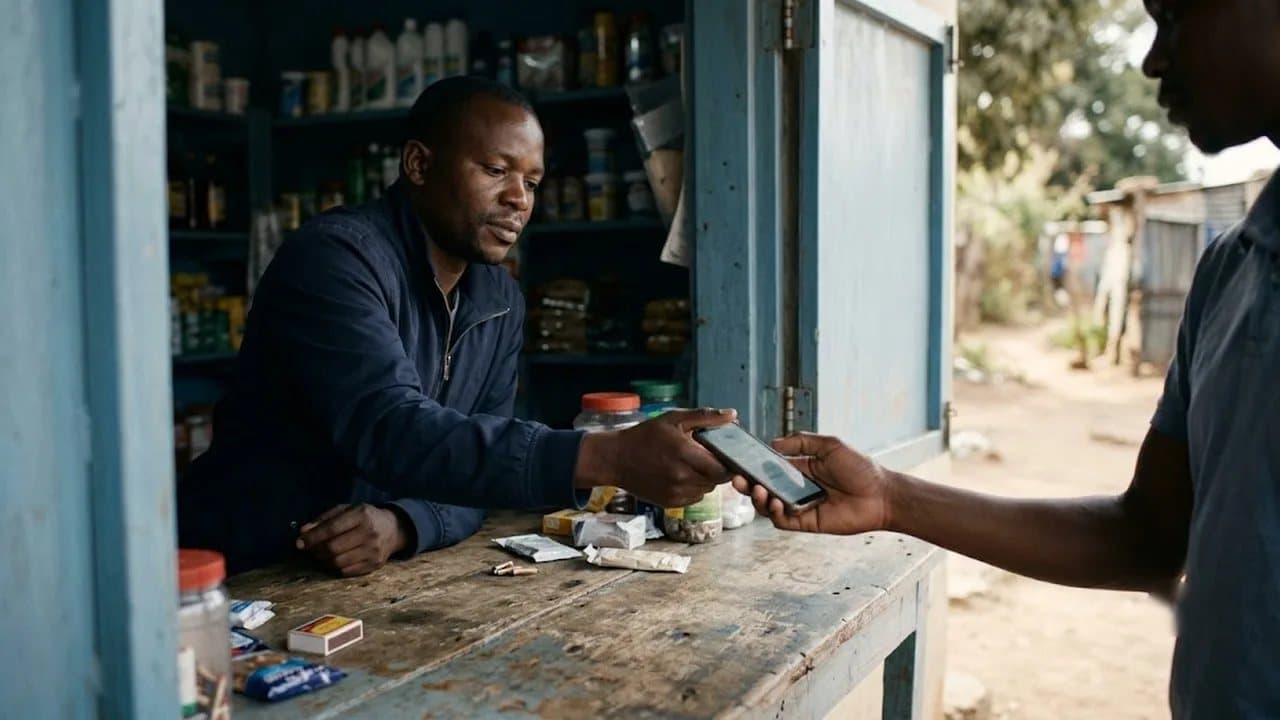
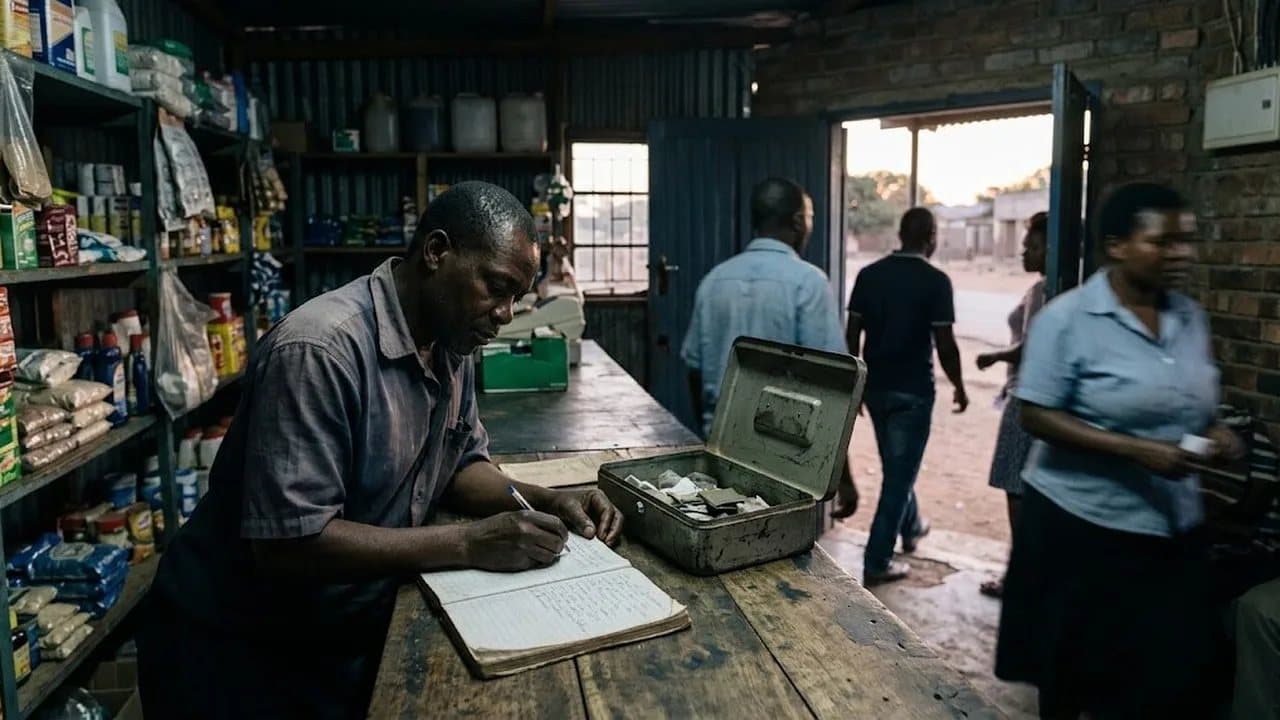
Here's a scene that plays out every day across Harare, Bulawayo, and Mutare: a shop owner hunched over a counter, punching numbers into a calculator, scribbling totals in an exercise book, and trying to remember whether that last customer paid in USD or ZiG.
It works. Until it doesn't.
The problem isn't that pen-and-paper methods are inherently bad — they kept Zimbabwean businesses alive through hyperinflation and dollarisation. The problem is that the economy has moved on, and the old methods haven't kept up. Multi-currency pricing, ZIMRA compliance requirements, EcoCash integration, and rising customer expectations have raised the bar for what "managing a shop" actually means in 2026.
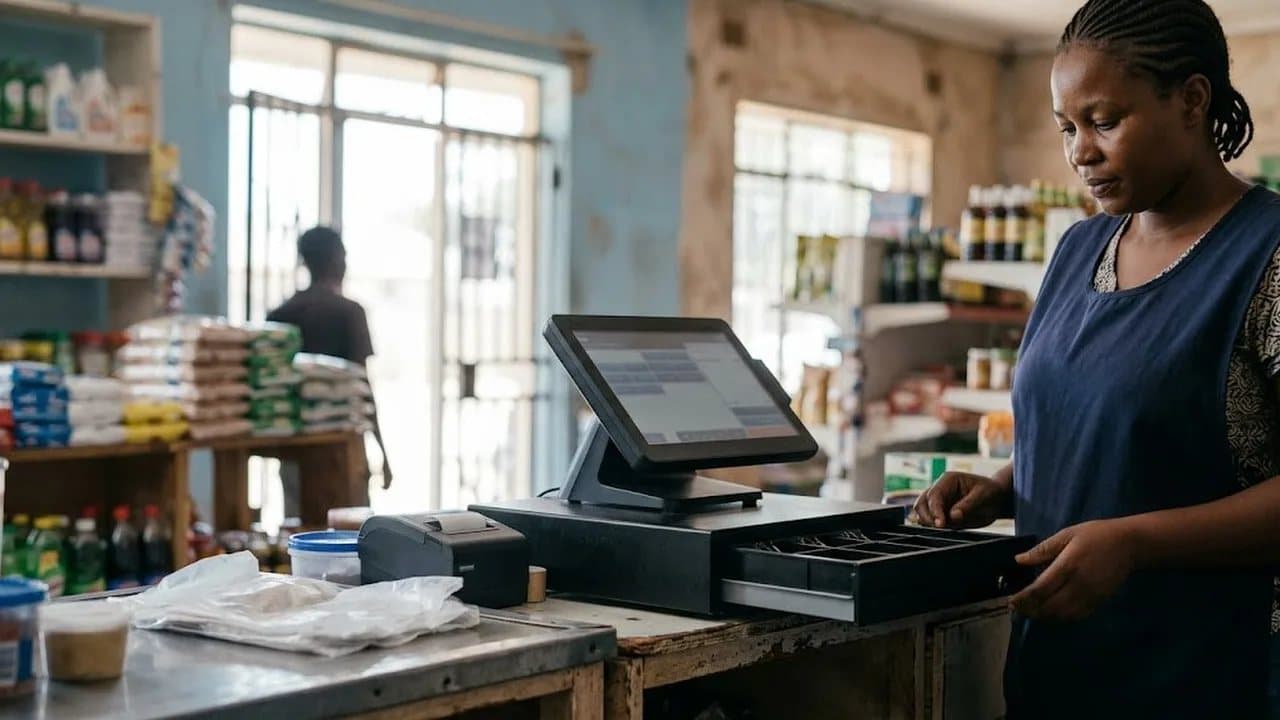
A POS (point of sale) system isn't a luxury reserved for supermarkets and chain stores. It's a practical tool that replaces the calculator, the exercise book, the mental arithmetic, and the end-of-month panic — all in one.
But how do you know when it's time? Here are five signs that your shop has outgrown manual methods and needs a proper POS system.
Sign 1: You're Losing Track of Your Stock
You ordered 50 cases of cooking oil last month. You've sold... some. There should be around 20 left. But when you check the storeroom, there are 14. Where did the other six go?
This is the most common problem in Zimbabwean retail — and the most expensive. Without a system that automatically deducts sold items from your inventory, you're relying on memory and manual counts. That means:
- Shrinkage goes unnoticed. Whether it's theft, damage, or simple miscounting, you won't catch it until the loss is already significant.
- You overstock slow movers. Without sales data, you order based on gut feeling. That means shelves full of products that don't move and gaps where your best sellers should be.
- Stocktaking becomes a full-day headache. Closing the shop to count every item once a month isn't a strategy — it's a sign you don't have the right tools.
A POS system tracks every sale in real time. You know exactly what's in stock, what's selling fast, and what's gathering dust. No guesswork, no surprises, no missing cooking oil.
Sign 2: Multi-Currency Transactions Are Giving You Headaches
Zimbabwe's multi-currency environment is one of the trickiest in the world. Your customers pay in USD, ZiG, sometimes a mix of both. The exchange rate shifts daily — sometimes hourly. And if you're setting prices manually, you're either losing money on the conversion or losing customers by overcharging.
Here's what typically goes wrong without a POS system:
- Stale rates. You set your ZiG prices on Monday. By Thursday, the rate has moved and your margins have evaporated.
- Calculation errors. When a customer buys three items in USD and wants change in ZiG, the mental maths gets complicated fast. One wrong calculation per day adds up to real money over a month.
- No record of which currency came in. At the end of the day, your cash drawer has a mix of USD and ZiG, and you're not entirely sure which sales were in which currency. Good luck reconciling that.
A modern POS system handles multi-currency automatically. It applies the current exchange rate (tools like ZimRate provide live rates that POS systems can reference), calculates change across currencies, and records every transaction with the currency clearly tagged. You close the day knowing exactly what came in, in what denomination, and what it's actually worth.
Sign 3: ZIMRA Compliance Is Keeping You Up at Night
ZIMRA's fiscalisation requirements are no longer optional. Businesses above the VAT threshold must issue compliant fiscal tax invoices, and enforcement is tightening. If you're still writing receipts by hand or using a basic receipt printer without fiscal compliance features, you're taking a risk.
The consequences aren't abstract:
- Penalties for non-compliance can exceed the cost of a POS system many times over.
- Audit readiness becomes impossible when your records are in exercise books scattered across the shop.
- VAT calculations done manually are error-prone — and errors in ZIMRA's favour don't get refunded.
A ZIMRA-compliant POS system generates proper fiscal invoices automatically, calculates VAT correctly on every transaction, and stores records digitally so that when the auditor walks in, you're not scrambling through paper files. It turns compliance from a burden into a background process.
Sign 4: You Can't Tell Which Products (or Days) Make You Money
Ask most shop owners in Zimbabwe which product gives them the highest margin, and you'll get an answer. Ask them to prove it with data, and you'll get a long pause.
Without sales reports, you're running your business on instinct. That works some of the time, but it also means:
- You don't know your peak hours. Are you staffing correctly for your busiest periods? Are you open when your customers actually want to buy?
- You can't spot trends. Is demand for a particular product growing or shrinking? Without data, you'll only notice when it's too late.
- Promotions are guesses. Running a weekend special? Without baseline sales data, you have no idea whether the promotion actually moved more units or just cannibalised your margins.
- Supplier negotiations suffer. When you can show a supplier exactly how much you've sold of their product over six months, you negotiate from strength. A receipt book doesn't give you that.
A POS system gives you reports: daily sales, top products, profit margins, hourly breakdowns. It turns your hunches into hard numbers. And hard numbers make better business decisions than gut feelings.
Sign 5: Your Checkout Is Slower Than Your Competitors'
Customer experience matters, even in a tuckshop. If there's a queue at your counter because you're manually totalling items and calculating change across currencies, customers notice — especially when the shop next door has a system that processes the same transaction in seconds.
Speed isn't just about convenience. It directly affects revenue:
- Longer queues mean lost sales. Customers who see a long line walk away. You'll never count those losses because you never saw the sale.
- Manual errors cause disputes. Nothing damages customer trust faster than a pricing argument at the till.
- Repeat customers go where the experience is better. Price matters, but so does not wasting 10 minutes in a queue for three items.
A POS system scans barcodes, applies prices instantly, handles the currency conversion, prints a receipt, and moves to the next customer. The entire transaction takes seconds instead of minutes. Over a day, that speed compounds into more customers served, fewer errors, and a better reputation.
The Real Cost of Waiting
Every month without a POS system is a month of:
- Inventory you can't accurately track
- Currency conversions you're probably getting wrong
- ZIMRA compliance gaps that could trigger penalties
- Business decisions made without data
- Customers lost to faster competitors
The cost of a POS system is known and predictable. The cost of not having one is hidden, ongoing, and almost always higher than business owners think.
What to Look for in a POS System for Zimbabwe
Not all POS systems are built for the Zimbabwean market. Before you choose one, make sure it handles:
- Multi-currency support (USD, ZiG, and flexible exchange rates)
- ZIMRA fiscal compliance (proper tax invoicing)
- EcoCash and mobile money integration
- Offline capability (because ZESA and internet are not always reliable)
- Inventory management with real-time stock tracking
- Reporting that actually helps you make decisions
Statotech POS was built specifically for Zimbabwean businesses — not adapted from a foreign product that doesn't understand the local market. It handles multi-currency with live rates from ZimRate, supports ZIMRA compliance, integrates with EcoCash, and works offline when connectivity drops. Whether you're running a single shop in Harare or managing multiple locations across the country, it's designed to solve the exact problems described in this article.
Ready to Make the Switch?
If you recognised your business in three or more of the signs above, you're overdue. The good news is that getting started isn't complicated and doesn't require closing your shop for a week.
Visit shop.statotec.com to see how Statotech POS works, or reach out to our team for a walkthrough tailored to your business. We'll show you exactly what changes — and what it saves you — from day one.
Statotech Systems builds business software for Zimbabwean companies. Because the tools that work in London don't always work in Harare — and you deserve software that understands your market.