AI for African SMEs: Beyond the Buzzword
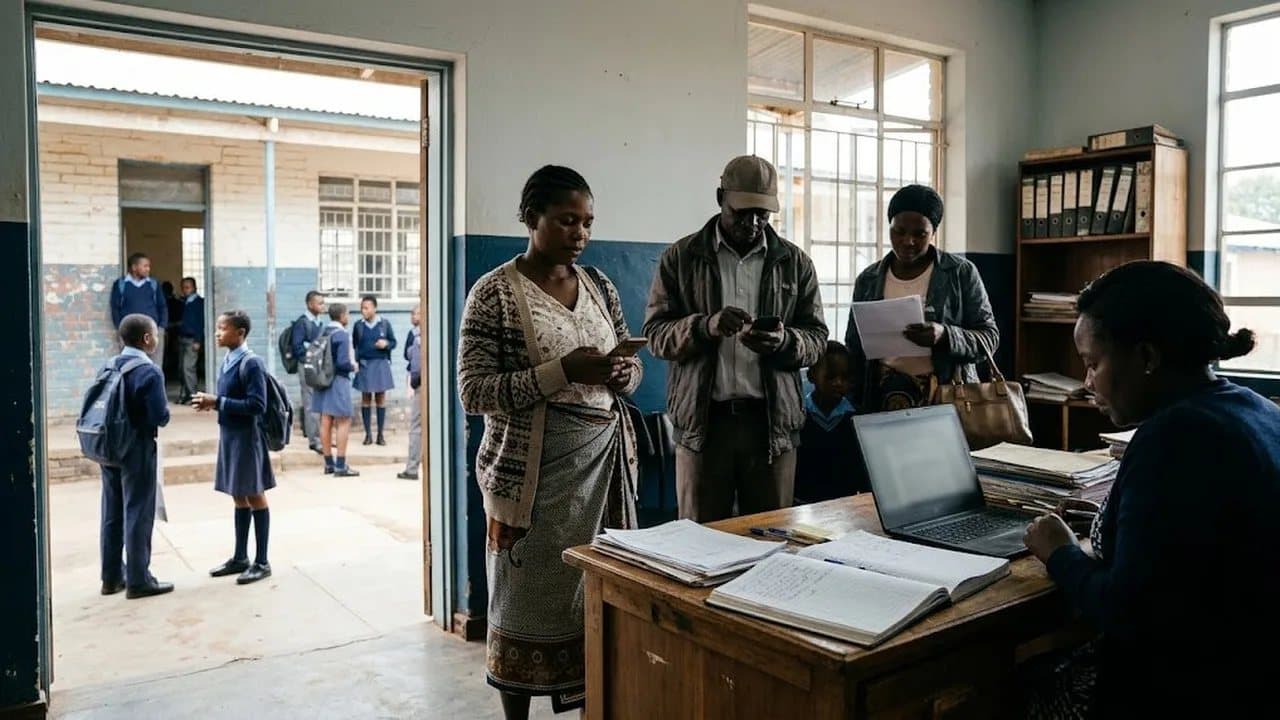
Everyone's talking about AI. But if you run a shop in Harare or a school in Bulawayo, what does it actually mean for you?
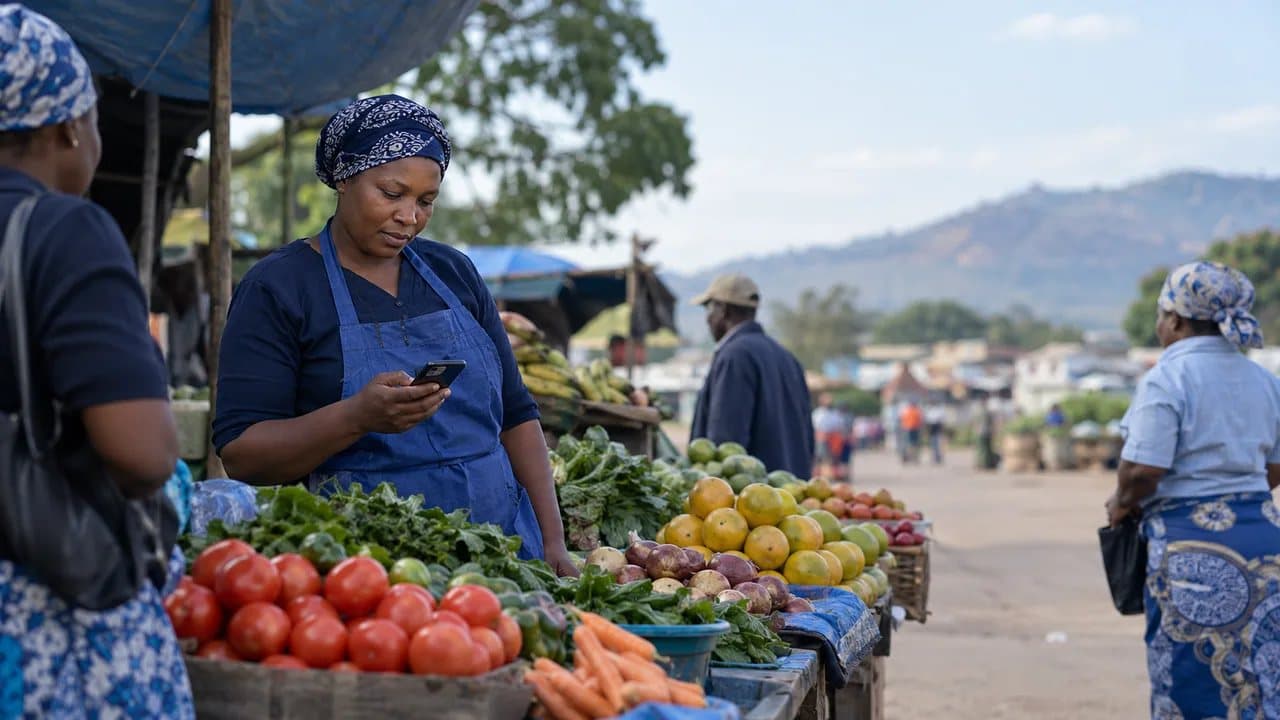
Everyone's talking about AI. But if you run a shop in Harare or a school in Bulawayo, what does it actually mean for you?
The Hype vs. the Reality
Open any tech publication in 2026 and you'll see headlines about artificial intelligence transforming industries, disrupting markets, and reshaping the global economy. Most of those stories are about Silicon Valley startups, Fortune 500 boardrooms, and billion-dollar language models.
Meanwhile, the vast majority of African businesses — the SMEs that make up nearly 95% of registered companies and generate roughly half of sub-Saharan Africa's GDP — are still running on spreadsheets, WhatsApp groups, and paper ledgers.
The disconnect is obvious. The question is whether it has to stay that way.
It doesn't. But closing the gap requires something the AI conversation rarely offers: practicality. Not "AI will revolutionise your business." Rather: "Here's a specific tool that saves you three hours a week and costs nothing to start."
What AI Actually Looks Like for a Small Business
Forget the robot apocalypse. For a typical Zimbabwean SME, AI shows up in quiet, useful ways:
Automated Bookkeeping and Tax Compliance
Manual bookkeeping is one of the biggest time drains for small businesses. AI-powered accounting platforms can automatically categorise transactions, reconcile accounts, and flag discrepancies. In Zimbabwe, companies like Zen Mountain AI and Rynaty AI have already built an accounting platform tailored specifically for local SMEs — with built-in ZIMRA and NSSA compliance, multi-currency reporting for USD and ZiG, and audit capabilities designed for how Zimbabwean businesses actually operate.
This isn't experimental. It's live, and it's solving a real problem.
Smarter Inventory and Sales Forecasting
A POS system that just records sales is yesterday's technology. Modern point-of-sale platforms use AI analytics to spot patterns: which products sell fastest on weekends, when stock is about to run low, which items get returned most often. That data turns into better purchasing decisions and less dead stock sitting on your shelves.
For a tuckshop or spaza shop running tight margins, the difference between guessing your reorder point and knowing it can mean thousands of dollars over a year.
Customer Service That Doesn't Sleep
Customer service chatbots — powered by natural language processing — can handle routine enquiries in multiple languages simultaneously. A restaurant in Harare doesn't need to hire someone to answer the same ten questions about opening hours and menu options. A chatbot integrated with a digital menu system handles it around the clock, in English and Shona, while the owner focuses on running the kitchen.
Cash Flow Forecasting
For small businesses, cash flow surprises kill more companies than competition does. AI-powered forecasting tools analyse your transaction patterns, seasonal trends, and outstanding invoices to predict when you'll be flush and when you'll be tight — weeks in advance, not after the fact.
Alternative Credit Scoring
One of the most promising AI applications for African SMEs is alternative credit scoring. Traditional banks want collateral and three years of audited financials. AI models can assess creditworthiness from mobile money transactions, utility payment patterns, and business activity data — opening access to finance for informal traders and new businesses that banks have historically ignored.
Zimbabwe's AI Strategy: Why This Moment Matters
In March 2026, Zimbabwe officially launched its National Artificial Intelligence Strategy for 2026–2030, aligned with the broader Smart Zimbabwe 2030 master plan. The strategy rests on four pillars: talent development, infrastructure sovereignty, AI adoption and transformation, and ethical governance.
What makes this relevant for SMEs is the explicit recognition that small businesses are the engine of implementation. The strategy describes AI as "a tool of empowerment and a catalyst for inclusive growth" — not something reserved for large corporations or government ministries.
President Mnangagwa has announced plans for government incentives targeting businesses that integrate AI systems to boost productivity and operational efficiency. Tax incentives for AI adoption, curriculum reform to include practical AI skills, and regulatory sandboxes for fintech innovation are all on the table.
The signal is clear: the government wants businesses to adopt this technology. The question for SMEs is whether they're positioned to take advantage when the support arrives.
The Honest Challenges
None of this happens automatically. African SMEs face real barriers to AI adoption:
Infrastructure gaps. AI tools need reliable internet and electricity. In much of Zimbabwe, neither is guaranteed. Any AI solution that requires constant cloud connectivity without an offline fallback is ignoring the operating reality.
Skills shortage. Nine in ten African organisations have reported negative impacts from AI skill gaps, including delayed implementations and lost clients. Specialised AI expertise across the continent remains concentrated in South Africa, Kenya, Nigeria, and Egypt. Zimbabwe is building its talent pipeline, but it's not there yet.
Data readiness. AI needs data to work. A business still tracking sales in a notebook doesn't have the digital trail that AI models require. Digitisation comes before AI — there's no shortcut around this step.
Cost perceptions. Many SME owners assume AI means expensive enterprise software. That perception is increasingly wrong — many practical AI tools come free or at price points designed for small operations — but the belief persists and slows adoption.
The Practical Path Forward
If you run a small or medium-sized business in Zimbabwe and want to start using AI meaningfully, here's what actually works:
1. Digitise First
You can't layer AI on top of paper processes. Start by moving your core operations — sales, inventory, customer records, finances — onto digital platforms. A cloud-based POS system, a proper accounting tool, a digital menu instead of a printed one. These are the foundations that AI plugs into.
2. Choose Tools With AI Built In
You don't need to hire a data scientist. The most practical approach is choosing business software that has AI capabilities baked into the product. POS systems with sales analytics. Accounting platforms with automatic categorisation. Customer service tools with chatbot capabilities. The AI works in the background — you just use the tool.
3. Start With One Problem
Don't try to "implement AI." Instead, pick your biggest operational pain point and find the tool that solves it. Spending too long on bookkeeping? Automate it. Losing customers to slow responses? Add a chatbot. Ordering too much or too little stock? Get analytics on your sales patterns.
4. Prioritise Offline Capability
Any tool you adopt needs to work when the internet drops. Full cloud-only solutions that freeze during load shedding aren't built for the Zimbabwean market. Look for platforms designed with intermittent connectivity in mind.
5. Think Ecosystem, Not Point Solutions
Individual tools help, but the real power comes from connected systems. When your POS talks to your accounting software, which connects to live exchange rates, which feeds into cash flow forecasting — that's when AI starts compounding its value. A fragmented stack of disconnected tools limits what AI can do for you.
The Bottom Line
AI for African SMEs isn't about chasing the latest Silicon Valley trend. It's about using practical, increasingly affordable technology to solve problems that cost small businesses time and money every single day.
Zimbabwe's national AI strategy has set the direction. The tools are becoming available. The cost barriers are dropping. The businesses that start digitising now — even with simple steps — will be the ones positioned to benefit most as AI capabilities mature and government incentives take shape.
The buzzword phase is over. The practical phase has begun.
Statotech Systems builds business software designed for Zimbabwe's operating reality — including Statotech POS, ZimRate live exchange rates, ZimSchool, and MenuWise digital menus. All products are free to start and built for the local market.