ZIMRA POS Compliance Guide: Everything Zimbabwean Businesses Need to Know in 2026
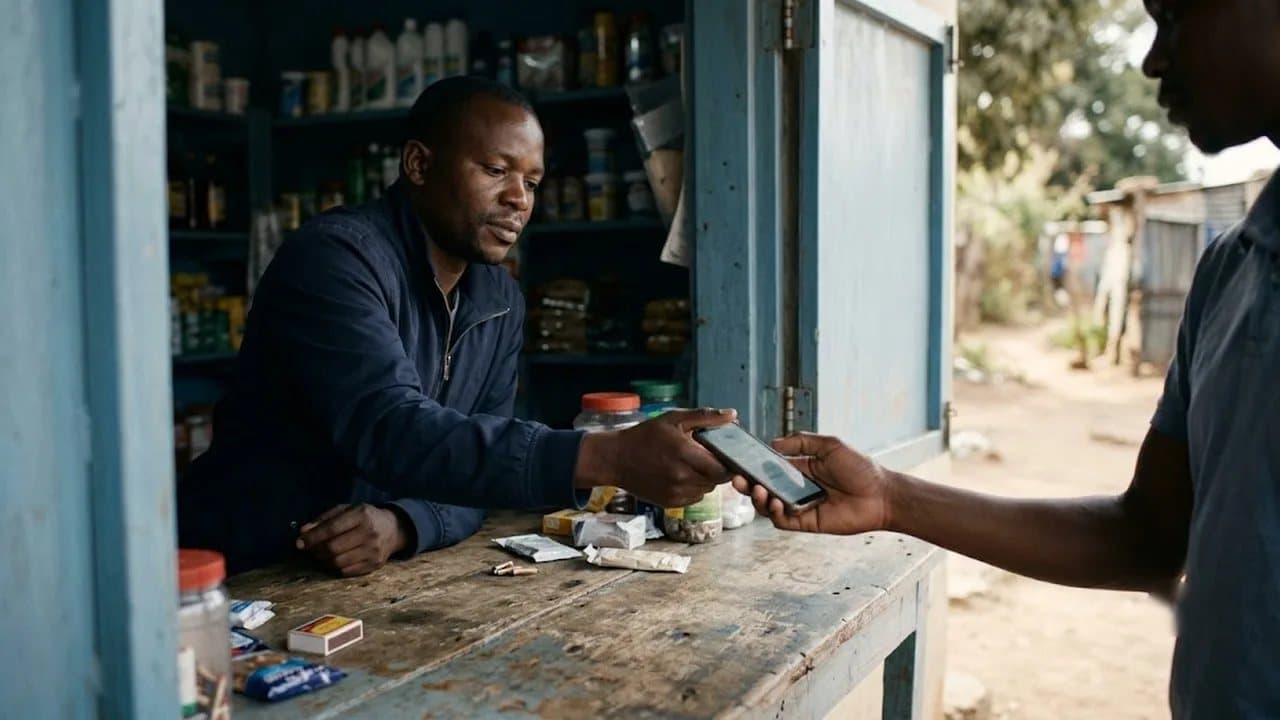
If you run a business in Zimbabwe — whether it's a tuckshop in Mbare, a pharmacy in Bulawayo, or a restaurant chain in Harare — ZIMRA fiscalisation is no longer optional. Every sale you make needs to be recorded,…

If you run a business in Zimbabwe — whether it's a tuckshop in Mbare, a pharmacy in Bulawayo, or a restaurant chain in Harare — ZIMRA fiscalisation is no longer optional. Every sale you make needs to be recorded, encrypted, and transmitted to the Zimbabwe Revenue Authority's servers. No exceptions.
But here's the problem: most business owners hear "fiscalisation" and immediately feel overwhelmed. The jargon is thick, the requirements keep shifting, and the penalties for getting it wrong are real. This guide cuts through the noise. We'll explain exactly what ZIMRA POS compliance means, who needs to comply, what it costs, and how to get it done without shutting down your business for a week.
What Is ZIMRA Fiscalisation and Why Should You Care?
Fiscalisation is the legal requirement for businesses to use approved electronic devices that record every taxable transaction and send that data directly to ZIMRA's servers. This happens through the Fiscalisation Data Management System (FDMS) — ZIMRA's centralised platform for receiving and verifying sales data in real time.
Think of it as a digital receipt book that ZIMRA can read. Every time you ring up a sale, your POS system generates a fiscal receipt — complete with a QR code that ZIMRA can scan and verify. The goal is simple: reduce tax evasion and ensure every business pays its fair share of VAT.
The legal basis comes from Statutory Instrument 104 of 2010 and Section 90 of the Income Tax Act. These aren't suggestions. They're law.
Why 2026 Is a Critical Year
The start of 2026 brought a significant change: VAT increased to 15.5%, effective 1 January. If your POS system didn't automatically update to calculate the new rate at midnight on December 31st, you've been issuing incorrect fiscal receipts for months. ZIMRA compliance audits in 2026 are specifically targeting businesses that got the rate transition wrong.
Beyond the VAT change, ZIMRA has been tightening enforcement across the board. Digital audits are more frequent, and inspectors are actively checking whether fiscal receipts match FDMS records. The days of operating under the radar are over.
Who Must Comply? (It's More People Than You Think)
Here's where many business owners get it wrong: fiscalisation isn't just for VAT-registered operators. While SI 104 of 2010 specifically mandates compliance for VAT-registered businesses, Section 90 of the Income Tax Act extends the obligation to all taxpayers — including those with annual turnover below the USD 25,000 VAT registration threshold.
In practice, this means:
- Retailers — supermarkets, clothing stores, hardware shops, tuckshops
- Restaurants and food outlets — from fast food to fine dining
- Pharmacies and medical suppliers
- Fuel stations
- Hotels and lodges
- Service providers — salons, mechanics, professional services
- Wholesalers and distributors
If you're making taxable sales, you need a compliant fiscal device connected to FDMS. Period.
Types of ZIMRA-Approved Fiscal Devices
Not every business needs the same setup. ZIMRA approves several categories of fiscal devices, and choosing the right one depends on your transaction volume, business type, and budget.
1. Fiscalised Electronic Cash Registers (ETRs)
Standalone registers with built-in fiscal modules. Best for small retailers and tuckshops that don't need a full POS system. They're affordable but limited in features — you won't get inventory management or multi-currency reporting.
2. Fiscalised Printers
These connect to your existing POS software and handle the fiscal receipt generation. If you already have a POS system you like, a fiscalised printer can bring you into compliance without replacing your entire setup.
3. Electronic Signature Devices (ESDs)
Hardware modules that digitally sign each transaction before transmission to FDMS. These are common in larger retail operations where security and audit trails are critical.
4. Virtual Fiscal Devices (VFDs) and API Integration
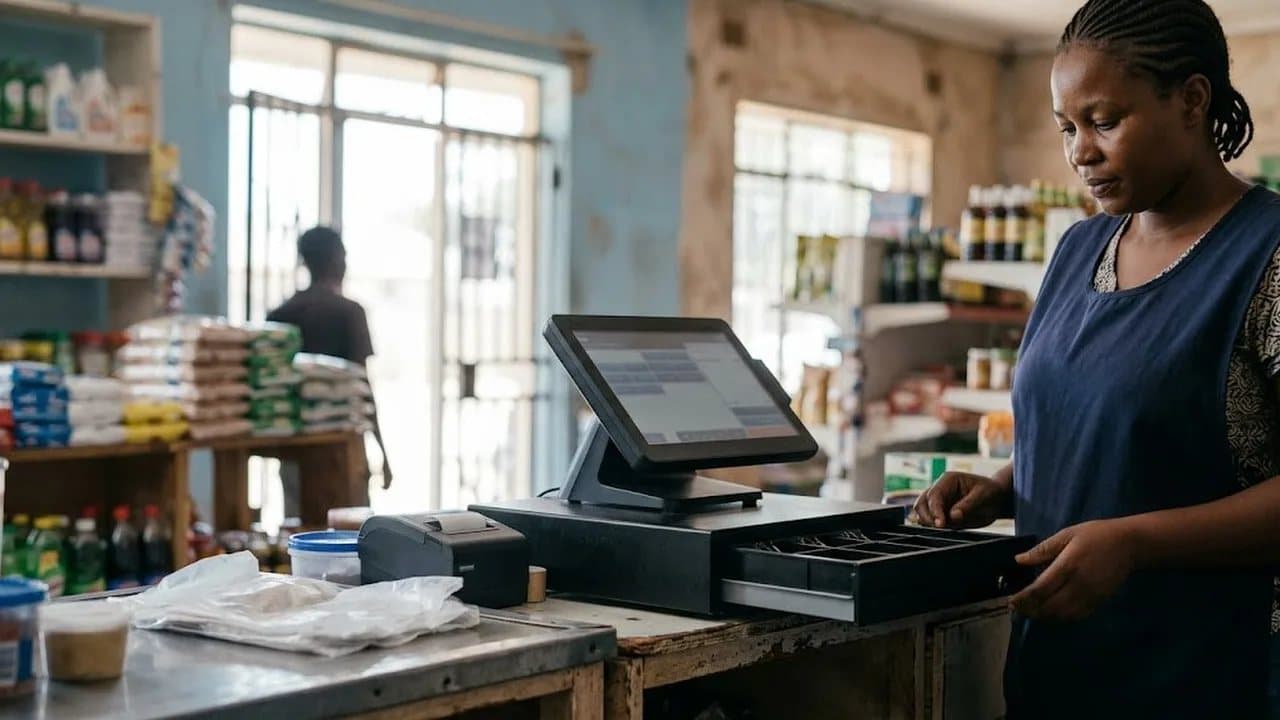
This is where modern POS systems shine. Instead of bolting on separate hardware, your POS software connects directly to ZIMRA's FDMS through an API. No extra boxes, no cables — just software talking to software. This approach is ideal for medium-to-large businesses, and increasingly for small traders using cloud-based or mobile POS systems.
Pro tip: Virtual fiscalisation through API integration is generally the most cost-effective and future-proof option. Hardware fiscal devices can break, need firmware updates, and eventually become obsolete. A well-built POS system with native FDMS integration handles compliance automatically.
The Compliance Checklist: Getting Your Business ZIMRA-Ready
Here's a step-by-step breakdown of what you need to do:
Step 1: Get Your Tax Affairs in Order
Register for a ZIMRA Business Partner (BP) Number if you don't have one. This is essential for all tax dealings, opening a business bank account, and applying for tenders. If you're above the USD 25,000 annual turnover threshold, register for VAT as well.
Step 2: Choose Your Fiscal Device or POS System
Select a ZIMRA-approved fiscal solution. You can find the list of approved suppliers on the ZIMRA website. Consider whether you need a standalone device or a full POS system with built-in FDMS integration.
Step 3: Register Your Device with ZIMRA
Every fiscal device must be registered and activated through ZIMRA before it can transmit data. Your supplier should handle this process, but verify that your device serial number appears in ZIMRA's system.
Step 4: Configure Multi-Currency Settings
This is Zimbabwe-specific and critical. Your system must correctly handle both USD and ZiG (Zimbabwe Gold) transactions, applying the correct VAT rate to each. If you're pricing in multiple currencies, you need real-time exchange rate data to ensure fiscal receipts reflect accurate conversions. Tools like ZimRate provide live USD/ZiG rates that can feed directly into your POS system.
Step 5: Train Your Staff
A compliant system is useless if your cashiers don't know how to use it. Train every team member who handles transactions on how to process sales, issue fiscal receipts, handle refunds, and run end-of-day Z-reports.
Step 6: Run Daily Z-Reports
ZIMRA requires businesses to generate a Z-report at the end of each trading day. This report summarises all transactions and must match what FDMS received. Make this part of your daily closing routine.
Financial Incentives You're Probably Missing
Here's something most compliance guides don't mention: ZIMRA actually incentivises you to fiscalise. The government wants businesses compliant, and they've put real money behind it.
- 50% of your fiscal device acquisition cost can be claimed as VAT input tax — immediately
- The remaining 50% is spread over two years as a capital allowance deduction
- Duty rebates are available for approved suppliers importing fiscal devices
- Zero VAT rating applies to locally supplied fiscal devices
This means if you spend USD 500 on a fiscalised POS system, you can claim USD 250 back on your next VAT return and deduct the other USD 250 over two years. That's a significant offset, especially for small businesses watching every dollar.
Many business owners don't know these incentives exist because their accountants aren't flagging them. Ask yours. If they don't know, it might be time for a new accountant.
Common Compliance Mistakes (And How to Avoid Them)
After working with Zimbabwean businesses across Harare, Bulawayo, and beyond, we've seen the same mistakes come up repeatedly:
Mistake 1: Assuming You're Exempt
"My turnover is below USD 25,000, so I don't need to fiscalise." Wrong. Section 90 applies to all taxpayers. The threshold only determines VAT registration, not fiscalisation.
Mistake 2: Using a Non-Compliant POS System
Some POS systems marketed in Zimbabwe aren't actually FDMS-integrated. They might print receipts that look fiscal but aren't transmitting data to ZIMRA. If your supplier can't show you their ZIMRA approval certificate, walk away.
Mistake 3: Ignoring the VAT Rate Change
If your system is still calculating VAT at 15% instead of the current 15.5%, every receipt you've issued in 2026 is technically non-compliant. Update immediately.
Mistake 4: Not Running Z-Reports Daily
Skipping Z-reports creates gaps in your FDMS record. When ZIMRA audits — and they will — unexplained gaps trigger deeper investigation.
Mistake 5: Forgetting About Supplier Invoices
Here's a costly one: if your supplier doesn't have a compliant fiscal device interfaced with FDMS, their invoice won't appear in your TaRMS account. That means your input tax claim gets automatically denied. Vet your suppliers' compliance status before doing business with them.
Penalties for Non-Compliance
ZIMRA doesn't issue warnings. The penalties for operating without a compliant fiscal device include:
- Fines calculated on a standard scale under the Revenue Authority Act
- Forced business closure until compliance is achieved
- Denied input tax claims — you pay VAT on purchases but can't claim it back
- Criminal prosecution for deliberate tax evasion
For most small businesses, a forced closure — even for a few days — can mean lost customers, spoiled stock, and damaged reputation. The cost of compliance is always less than the cost of getting caught.
Choosing the Right POS System for ZIMRA Compliance
When evaluating POS systems for your business, look for these non-negotiable features:
- Native FDMS integration — not a bolt-on, but built into the software
- Automatic VAT calculation at the current 15.5% rate
- Multi-currency support — proper USD and ZiG handling with real-time exchange rates
- Fiscal receipt generation with QR codes
- Automated Z-reports at end of day
- EcoCash and mobile money integration — essential for Zimbabwe's payment landscape
- Cloud backup — so you never lose transaction records
Statotech POS was built from the ground up for Zimbabwean businesses, with ZIMRA FDMS integration, multi-currency support powered by ZimRate, and EcoCash compatibility as standard features — not expensive add-ons.
The Bottom Line
ZIMRA POS compliance isn't going away — it's getting stricter. But it doesn't have to be painful. The right POS system handles fiscalisation automatically in the background while you focus on running your business. The financial incentives offset a significant chunk of your setup costs. And once you're compliant, you never have to worry about surprise audits or denied tax claims again.
The businesses that thrive in Zimbabwe's evolving regulatory environment aren't the ones fighting compliance — they're the ones that got ahead of it.
Ready to get your business ZIMRA-compliant? Explore Statotech POS — built for Zimbabwe, priced for real businesses, and compliant from day one.
Statotech Systems builds affordable, locally relevant business software for Zimbabwe. From POS systems to school management, we're building the tools Zimbabwean businesses actually need. Visit statotec.com to learn more.